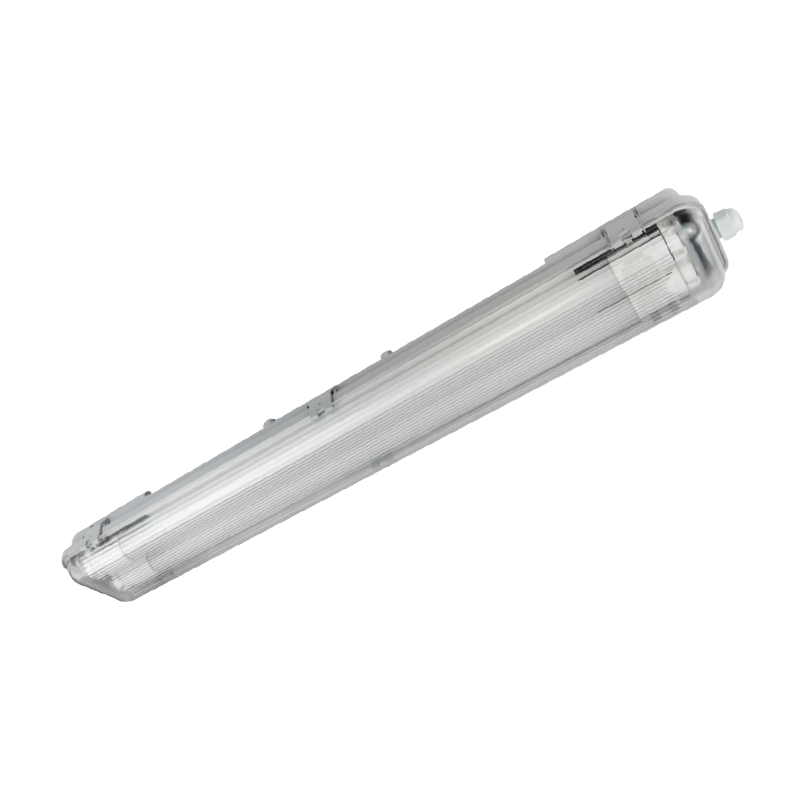
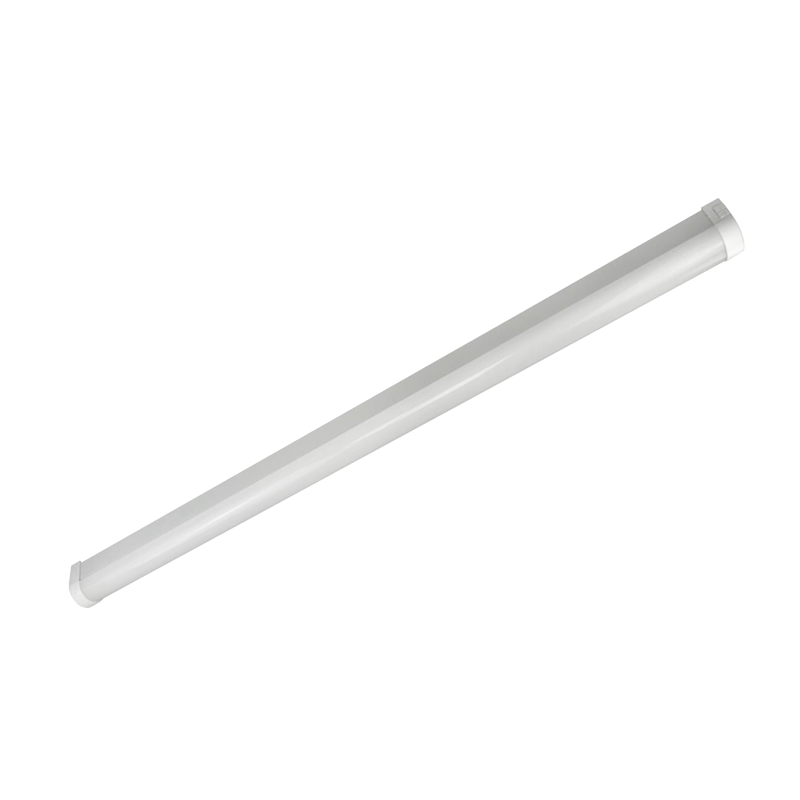
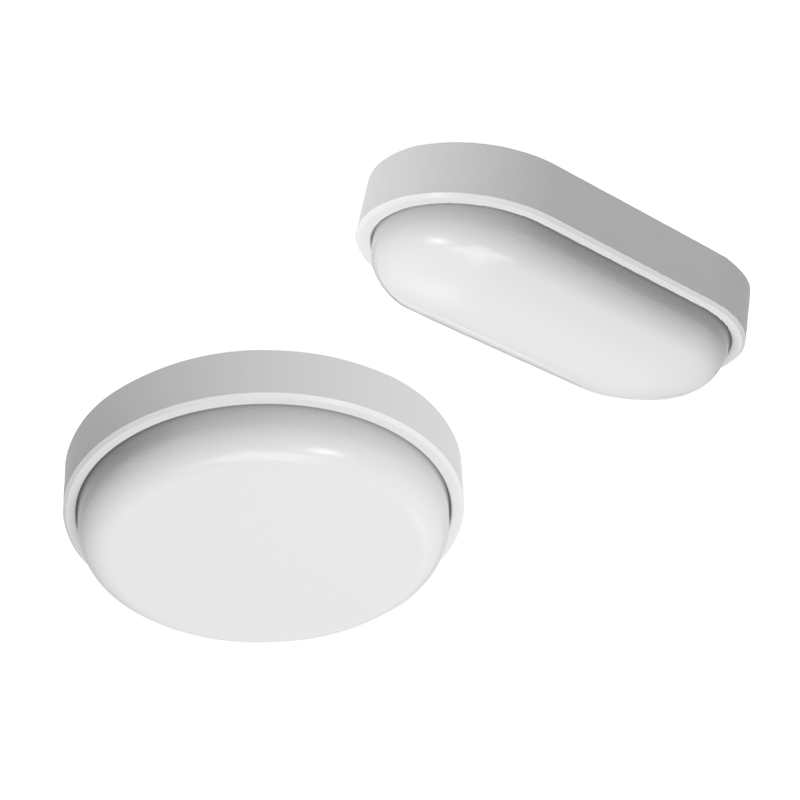
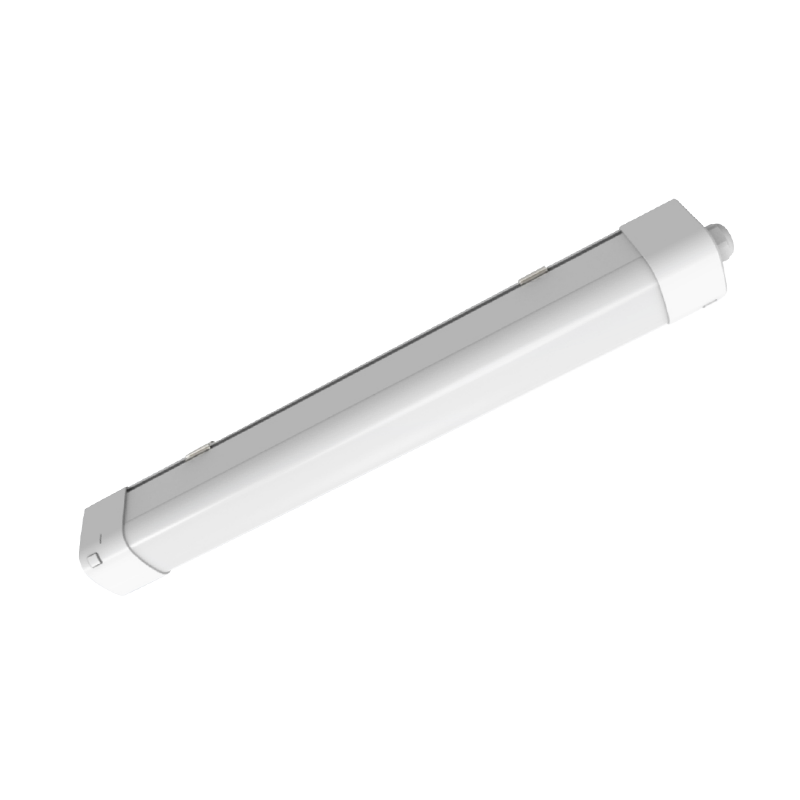
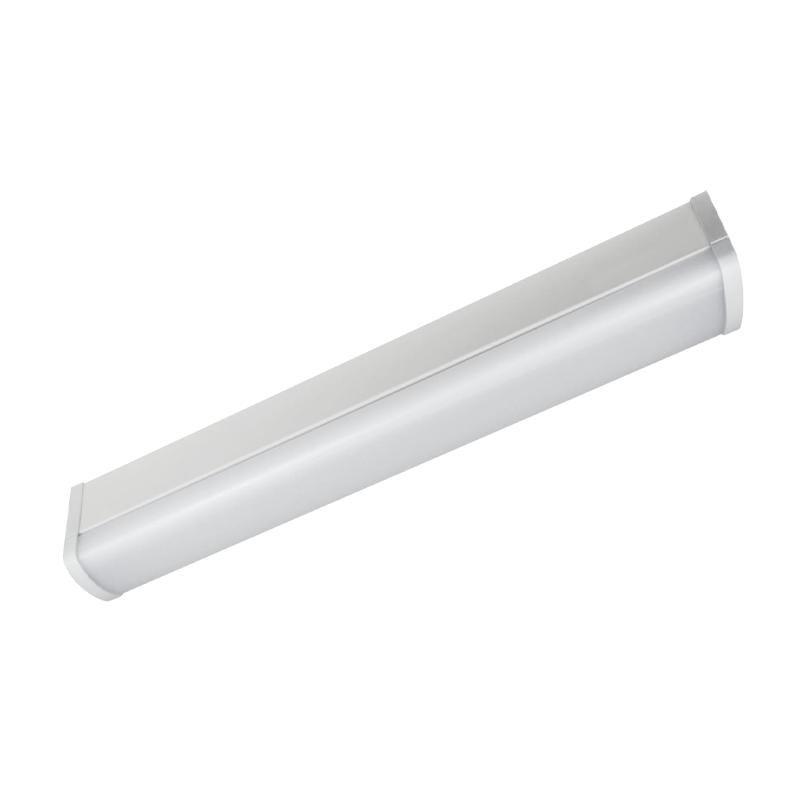
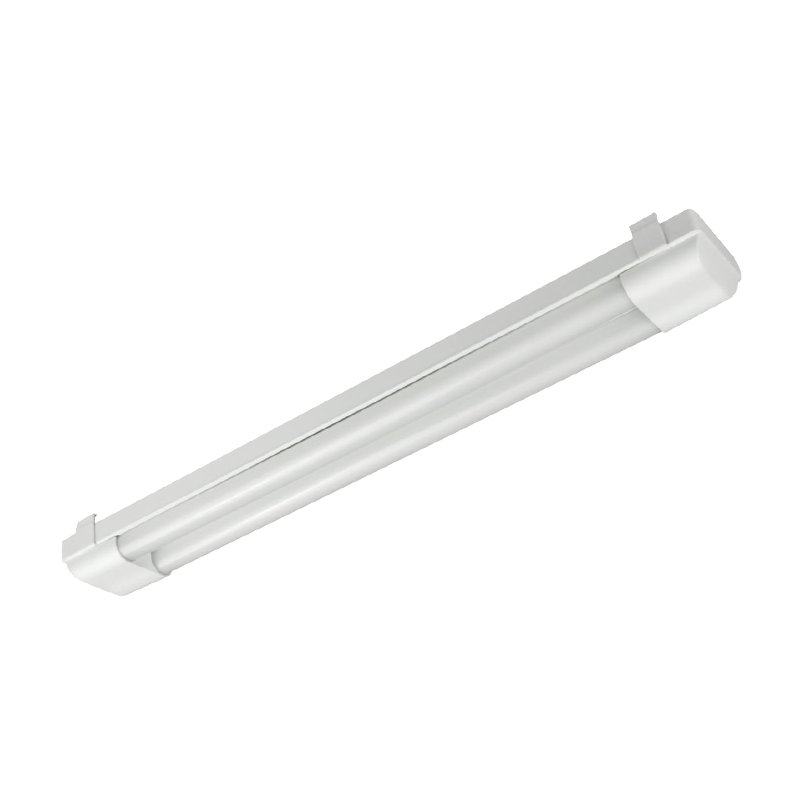
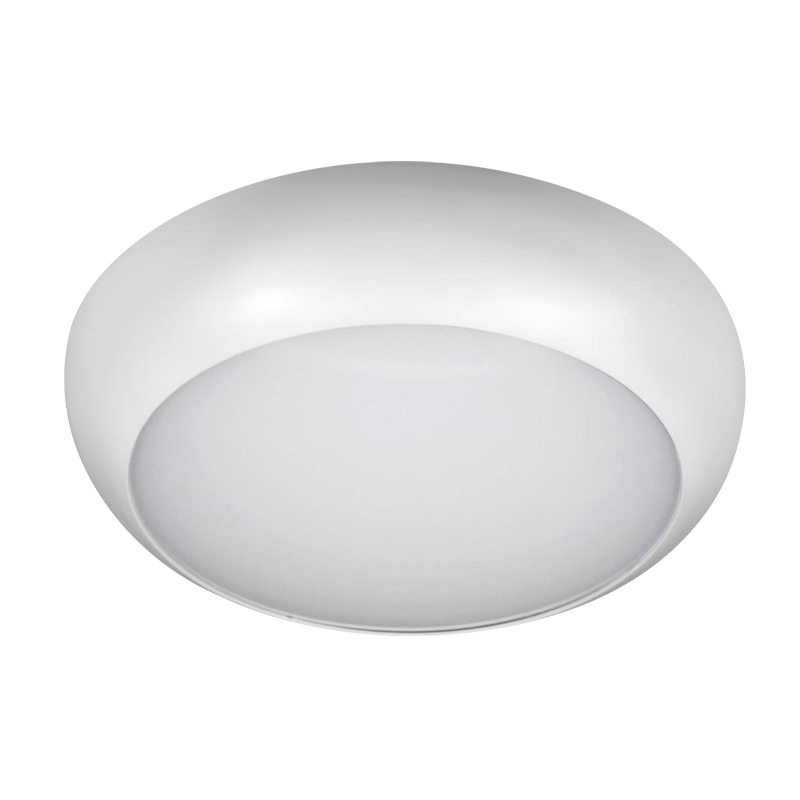
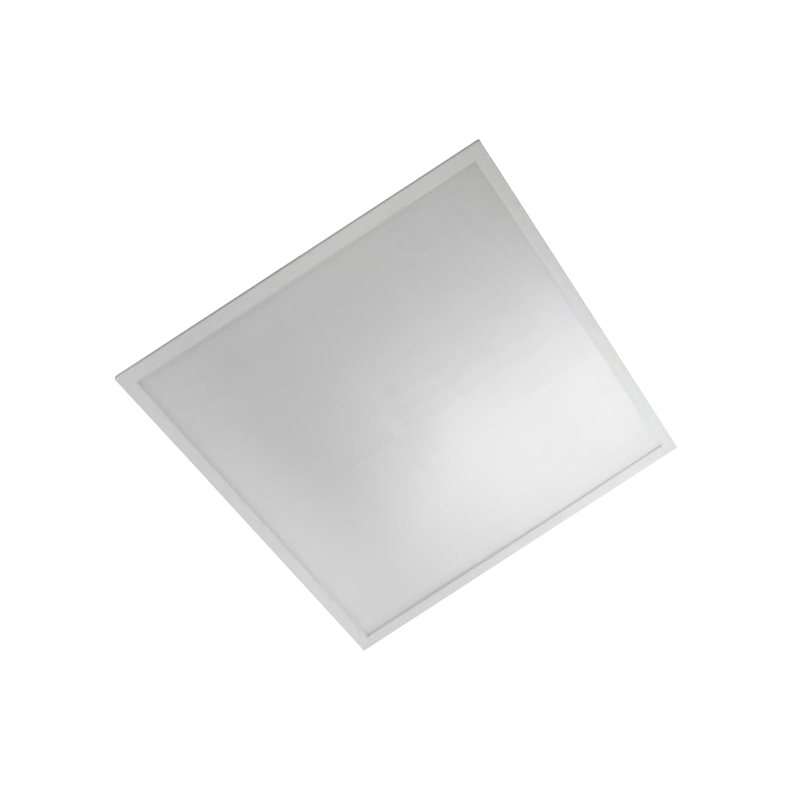
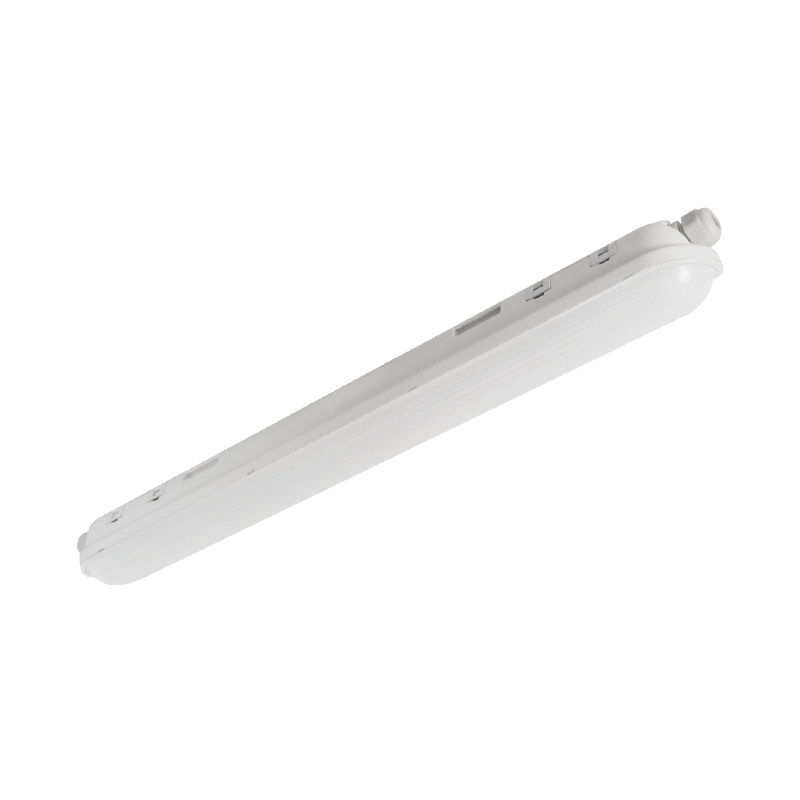
LED ceiling lights are common lighting fixtures in modern homes and commercial spaces. Their design not only impacts their appearance but also directly influences the quality of the lighting. 따뜻한 가정 분위기를 조성하거나 직장 조명 요구를 충족시키는 데 사용 되든 LED 천장 조명의 설계는 밝기, 광 분포 및 색 온도를 포함한 여러 요인에 큰 영향을 미칩니다.
Light Source Layout and Lighting Uniformity
The light source layout of an LED ceiling light directly determines the uniformity of the lighting. Light source distribution is crucial when designing an LED ceiling light. Generally speaking, a lamp with a uniform light distribution provides more even lighting, avoiding dead spots or uneven brightness. LED 천장 조명은 조명 구슬의 잘 정렬되고 분산 된 디자인을 활용함으로써 조명 균일 성을 효과적으로 향상시켜 방 전체의 일관된 밝기를 보장하고 과도한 어둠이나 밝기를 방지 할 수 있습니다.
또한 LED 천장 조명 내의 반사 재료 및 조명 전달 설계는 균일 한 조명을 달성하는 데 중요한 역할을합니다. 고품질의 반사 표면 및 균일 한 조명 전달 재료는 고르지 않은 빛 분포를 효과적으로 방지하고 전체 조명 성능을 향상시킵니다.
The Impact of Color Temperature Design on Atmosphere
The color temperature design of LED ceiling lights significantly influences the lighting effect. Color temperature is typically expressed in Kelvin (K), and different color temperatures create different lighting atmospheres. For example, warm light below 3000K often creates a cozy and comfortable atmosphere, suitable for bedrooms and dining rooms; while cool light above 5000K provides brighter illumination, suitable for areas requiring stronger light, such as kitchens and offices.
The color temperature selection for LED ceiling light design must be based on actual needs. 설계자가 방의 기능과 사용자 요구에 따라 적절한 색상 온도를 선택할 수 있다면 조명 효과가 최적화되어 충분한 밝기와 편안한 시각적 경험을 제공합니다.
The Impact of Color Rendering Index (CRI) on Rendering Accuracy
The color rendering index (CRI) is an important indicator that measures a light source's ability to accurately reproduce color. The higher the CRI value, the better the color reproduction. 일반적으로 80 이상의 CRI가있는 LED 천장 조명은 탁월한 색상 재생산을 제공하며 CRI가 80 미만인 램프는 색 왜곡을 유발하여 방의 시각적 품질에 영향을 줄 수 있습니다.
LED 천장 조명을 설계 할 때 CRI (Color Rendering Index)와 적절한 드라이버가있는 LED 칩을 선택하면 광원의 색상 재생산을 향상시키는 데 도움이됩니다. This is particularly important in demanding lighting environments, such as art galleries and store display areas. A good CRI ensures the true colors of interior objects appear, enhancing the aesthetics of the space.
Lamp Design and Light Distribution
The design of an LED ceiling light not only affects aesthetics but also directly influences light distribution and lighting effects. 예를 들어, 렌즈 나 반사기가 장착 된 LED 천장 조명은 빛을 분산 시키거나 초점을 맞추는 데 도움이되어 조명의 방향과 범위를 변경할 수 있습니다. Certain lamps with specially designed shapes optimize the light source to ensure even light distribution throughout the room.
The material and surface treatment of an LED ceiling light also affect the lighting effect. Reflectors made of different materials, such as transparent, frosted, and others, can affect light transmission and, in turn, lighting quality. 고품질의 반사 재료와 정교한 표면 처리를 사용하면 광 손실을 줄이고 광 효율을 향상 시키며 더 나은 조명 결과를 얻을 수 있습니다.
Power and Brightness Adjustment Design
The power of an LED ceiling light is closely related to its brightness. During design, the wattage of the lamp should be adjusted based on the area and required brightness. Too little power may not illuminate a larger space; too much power can waste energy and create excessive glare, impacting visual comfort.
In addition, many modern LED ceiling lights feature a dimming function, allowing users to adjust the brightness as needed. 이 설계 유연성을 통해 LED 천장 조명은 밝은 조명에서 부드러운 주변 조명으로 전환하는 등 다양한 조명 요구에 적응할 수 있습니다. The dimming function not only enhances the lamp's applicability but also further optimizes the lighting effect.
Heat Dissipation Design and Lighting Durability
The heat dissipation design of an LED ceiling light is closely related to the durability of its lighting. LED lamps generate heat during operation. 열 소산 설계가 부적절하면 램프의 온도가 과열되어 LED 칩의 효율과 수명에 영향을 미쳐 밝기 또는 색 온도 이동이 줄어 듭니다. 우수한 열 소산 설계는 LED 칩의 안정적인 작동 온도를 유지하여 시간이 지남에 따라 일관된 조명 출력을 보장하고 조명 붕괴를 방지하여 일관된 조명 효과를 유지할 수 있습니다.
잘 설계된 열 소산 시스템은 LED 천장 조명의 수명을 연장하는 데 도움이 될뿐만 아니라 장기간 사용 기간 동안 일관된 조명 성능을 보장합니다. 따라서 열 소산이 우수한 LED 천장 조명을 선택하면 조명 성능이 뛰어나게 될뿐만 아니라 장기 사용자 경험을 향상시킵니다.
Adapting the lighting angle to the application scenario
The design of LED ceiling lights should also consider the lighting angle requirements, especially for specific application scenarios. 예를 들어, 홈 엔터테인먼트, 식당 또는 사무실에서는 램프 각도를 조정하거나 다른 각도의 전등 갓을 사용하여 다른 조명 요구를 충족시켜 조명 효과를 최적화 할 수 있습니다.
For areas requiring focal lighting, such as dining tables and workbenches, a design with strong directional light distribution is more suitable. 침실 및 거실과 같은 조명이 필요한 공간의 경우 넓은 조명 각도와 균일 한 조명 분포가있는 LED 천장 조명을 선택하십시오.
Anti-glare Design
An LED ceiling light's anti-glare design is crucial to effective lighting. Glare refers to the direct impact of intense light sources on the eyes, causing discomfort and even impairing vision. To prevent glare, many LED ceiling lights feature a softer light design. These designs utilize frosted covers, diffusers, or lens systems to soften the light and reduce irritation to the eyes. Anti-glare design is particularly important in environments where eyes are exposed to prolonged use, such as bedrooms and study rooms.



No.8, No.8, Ankang West Road, Zonghan Street, Cixi City, Zhejiang Province, P.R. China
0086-574-6320 0283
저작권 © Ningbo Longer Lighting Co., Ltd.
모든 권리 보유.